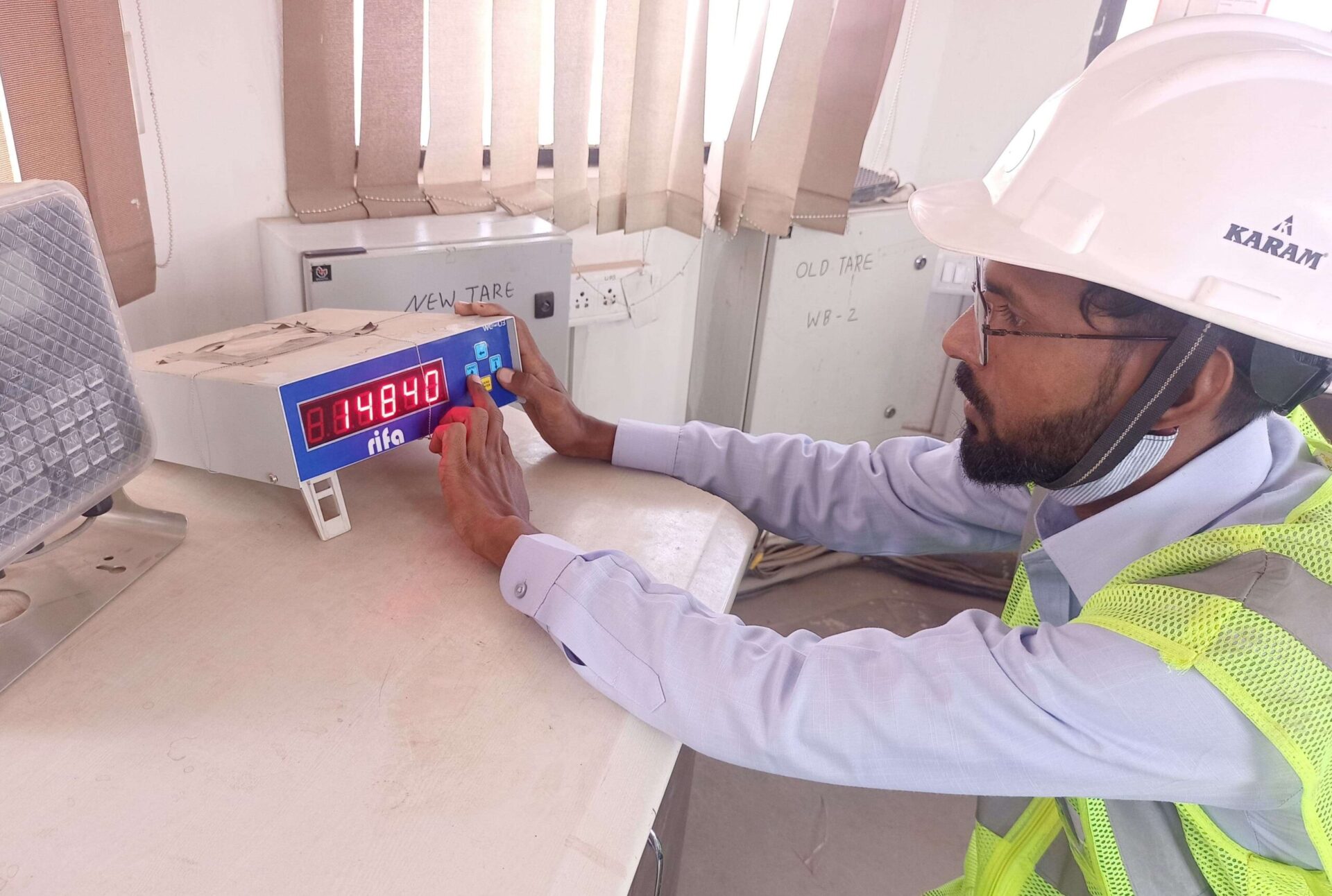
Calibration & Testing

Precise calibration and testing services to maintain accuracy and meet industry standards.


Calibration & Testing

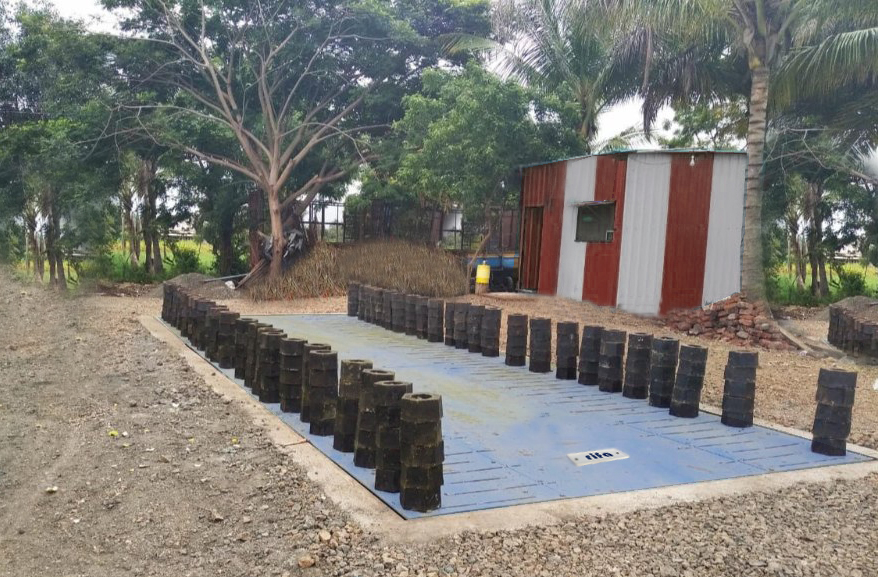
Weighbridge Calibration & Testing with Standard Test Weights

Weighbridge calibration is the process of checking and adjusting the accuracy of a weighbridge using certified standard test weights to ensure it gives correct weight readings as per Legal Metrology standards.

Weighbridge Calibration & Testing with Standard Test Weights

1. What is Weighbridge Calibration?

Weighbridge calibration is the process of checking and adjusting the accuracy of a weighbridge using certified standard test weights to ensure it gives correct weight readings as per Legal Metrology standards.
Calibration ensures:

  • Accurate vehicle weight measurement
  • Compliance with Legal Metrology rules
  • Prevention of revenue loss
  • Smooth commercial operations


2. What is Weighbridge Testing?

Weighbridge testing includes complete performance verification of the system:

  • Visual inspection of platform & foundation
  • Checking load cells & mounting assemblies
  • Junction box inspection
  • Indicator & wiring testing
  • Eccentric load test
  • Linearity test
  • Repeatability test
  • Corner test
  • Full capacity test

Testing is done before calibration and during periodic verification.


3. Test Weights Used in Calibration

 Standard Test Weights

  • Certified by Legal Metrology Department
  • Made of Cast Iron / Mild Steel
  • Available in 20 kg, 50 kg, 100 kg, 500 kg, 1 ton, etc.
  • Stamped with verification seal

Quantity Used

  • Generally 10% to 20% of weighbridge capacity
  • Higher accuracy testing may require more weights

Methods Used

  • Direct Loading Method – Using standard weights directly on platform
  • Substitution Method – Using known vehicle weight + standard weights
  • Sectional / Corner Testing – Checking each load cell performance


4. Calibration Procedure (Step-by-Step)

  1. Cleaning platform & checking zero balance
  2. Placing certified test weights gradually
  3. Recording readings at different load stages
  4. Adjusting indicator settings if required
  5. Performing repeatability test
  6. Issuing calibration certificate
  7. Legal Metrology stamping (if applicable)


5. Benefits of Regular Calibration & Testing

  • Accuracy Assurance
    Prevents over-weight or under-weight billing.
  • Legal Compliance
    As per Legal Metrology Act requirements.
  • Revenue Protection
    Avoids financial loss due to incorrect readings.
  • Equipment Life Improvement
    Early detection of load cell or structural issues.
  • Customer Trust
    Ensures transparency in commercial transactions.
  • Audit & ISO Compliance
    Required for ISO certified industries.


6. Recommended Calibration Frequency
  • At least once every 6 months
  • After major repair or load cell replacement
  • After civil modification
  • As per State Legal Metrology rules


General Testing and Calibration of Weighbridge

1. Visual & Mechanical Inspection

  • Inspection of weighbridge platform for any physical damage, corrosion, or obstruction.
  • Checking platform leveling, alignment, and free movement.
  • Examination of load cell mounting assemblies, check rods, bearings, and stopper bolts.
  • Verification that no foreign material is restricting platform movement.

2. Electrical & System Checks

  • Inspection of load cell cables, junction boxes, glands, and connectors for damage or moisture ingress.
  • Checking earthing and grounding continuity.
  • Verification of power supply stability and protection devices.
  • Functional check of weighing indicator, display units, printer, and peripherals.

3. Zero Setting & Stability Test

  • Ensuring the weighbridge returns to true zero with an empty platform.
  • Observation of zero stability over a defined time period.
  • Adjustment of zero if required as per manufacturer guidelines.

4. Corner (Eccentric Load) Test

  • Placement of standard test weights at different corners of the platform.
  • Verification of uniform response at all corners.
  • Identification and correction of any corner imbalance.

5. Span / Linearity Test

  • Application of test weights in incremental steps across the weighing range.
  • Checking accuracy at multiple load points (e.g., 25%, 50%, 75%, and 100% of capacity).
  • Confirmation of linear response and permissible error limits as per applicable standards.

6. Repeatability Test

  • Repeated loading and unloading of the same test weight.
  • Verification that readings are consistent within permissible tolerance.

7. Calibration Adjustment

  • Calibration of the weighing system using certified standard weights or equivalent test methods.
  • Adjustment of span and linearity values in the indicator as required.
  • Locking and sealing of calibration parameters after completion.

8. Simulation & Functional Tests

  • Simulation of load cell signals to verify indicator response.
  • Checking overload indication, error messages, and alarm functions (if provided).

9. Legal Metrology Compliance Check

  • Verification of compliance with Legal Metrology Rules applicable to weighbridges.
  • Preparation of weighbridge for statutory stamping / verification.
  • Assistance during inspection by Legal Metrology authorities.

10. Documentation & Certification

  • Recording of test results and calibration data.
  • Submission of calibration and testing report.
  • Tagging / labeling of calibration status where applicable.